
The Invisible Man Returns
Jan 12 1940
•1h 21m
•Horror, Science Fiction
The owner of a coal mining operation, falsely imprisoned for fratricide, takes a drug to make him invisible, despite its side effect: gradual madness.
Cast
See all
Cedric Hardwicke
Richard Cobb

Vincent Price
Geoffrey Radcliffe

Nan Grey
Helen Manson

John Sutton
Dr. Frank Griffin
Recommendations
See all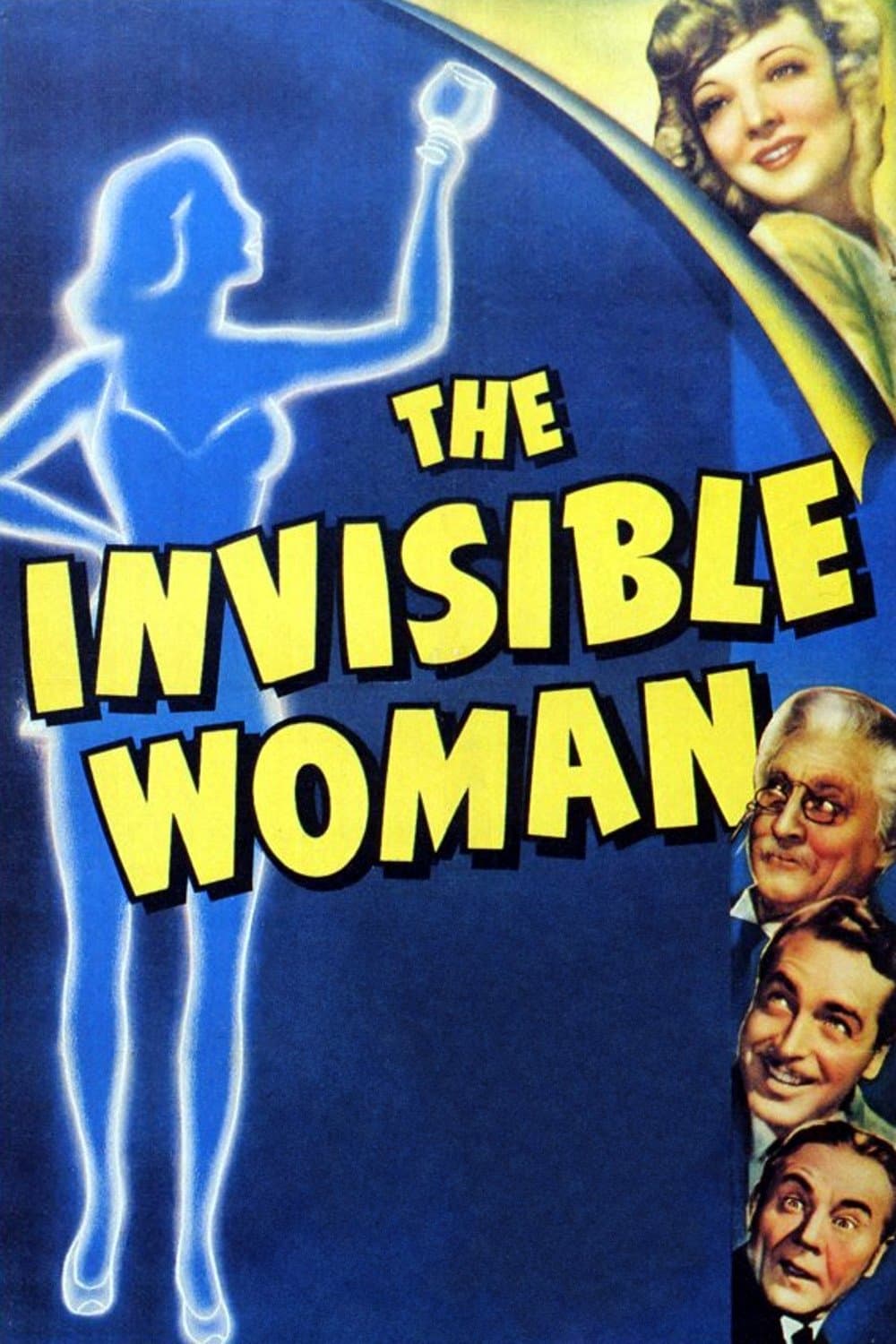
The Invisible Woman
Kitty Carroll, an attractive store model, volunteers to become a test subject for a machine that will make her invisible so that she can use her invisibility to exact revenge on her ex-boss.
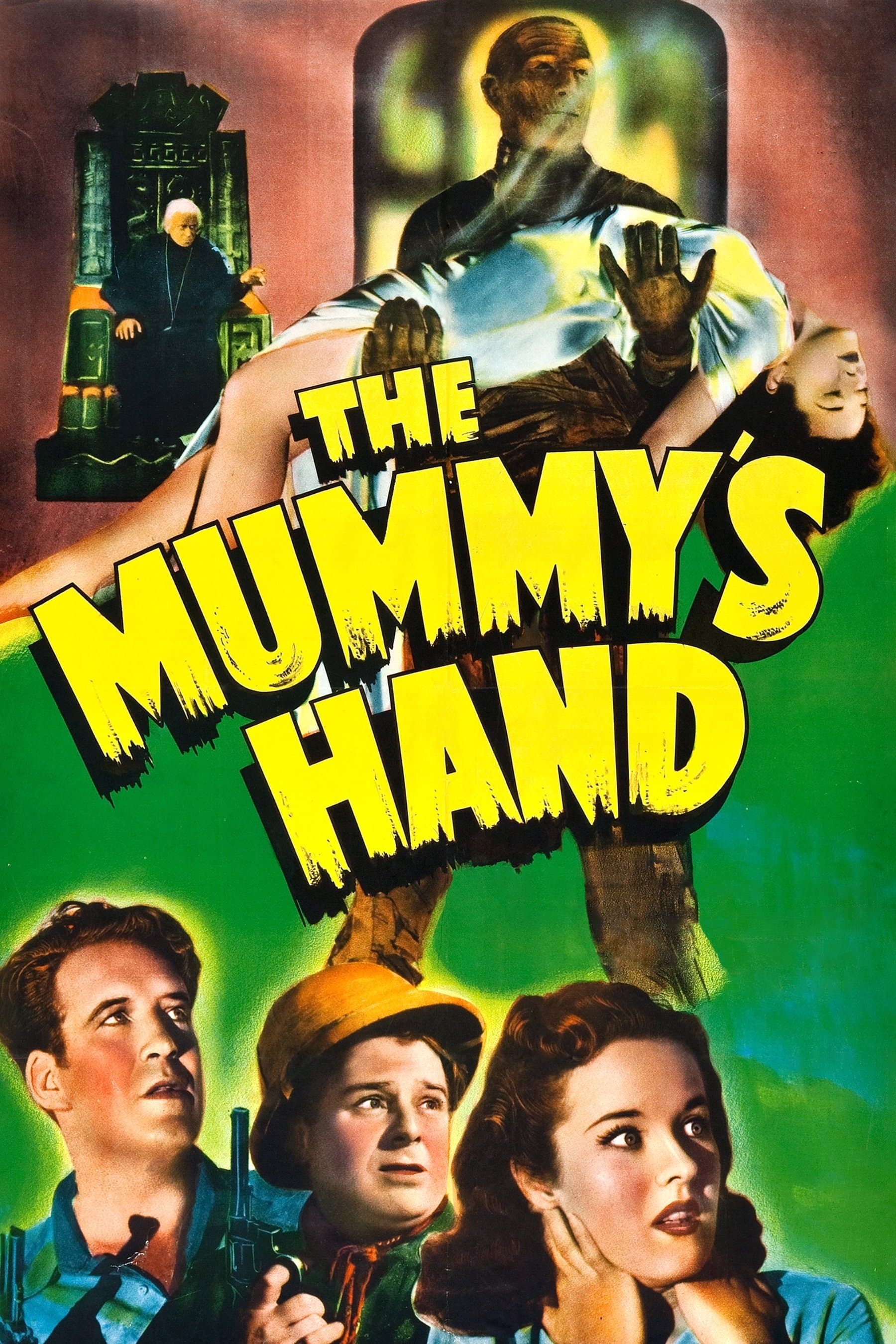
The Mummy's Hand
A couple of young, out-of-work archaeologists in Egypt discover evidence of the burial place of the ancient Egyptian princess Ananka. After receiving funding from an eccentric magician and his beautiful daughter, they set out into the desert only to be terrorized by a sinister high priest and the living mummy Kharis who are the guardians of Ananka’s tomb.

The Band Wagon
A Broadway artiste turns a faded film star's comeback vehicle into an artsy flop.

Dr. Cyclops
Four explorers are summoned to Peru by the brilliant physicist Dr Thorkel. They discover a rich source of radium and a half-mad Thorkel who shrinks them down to one-fifth their normal size when they threaten to stop his unorthodox experimentation.